Blog

Understanding the Resident Population in Colorado: Insights from FRED

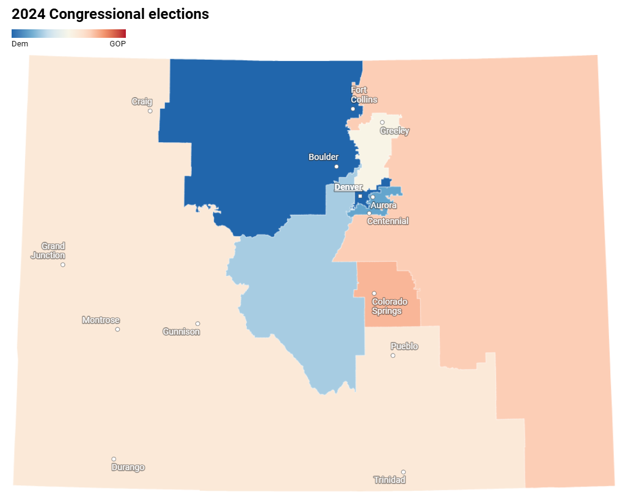
Colorado's 2024 vote: A slight red shift in a still predominantly blue ...
The state of Colorado has experienced significant growth in recent years, with its resident population playing a crucial role in shaping the local economy and community. To better understand the trends and patterns of Colorado's resident population, we can turn to the Federal Reserve Economic Data (FRED) platform, which provides a wealth of information on the subject. In this article, we will delve into the world of COPOP, the resident population in Colorado, and explore the key findings and insights from FRED.
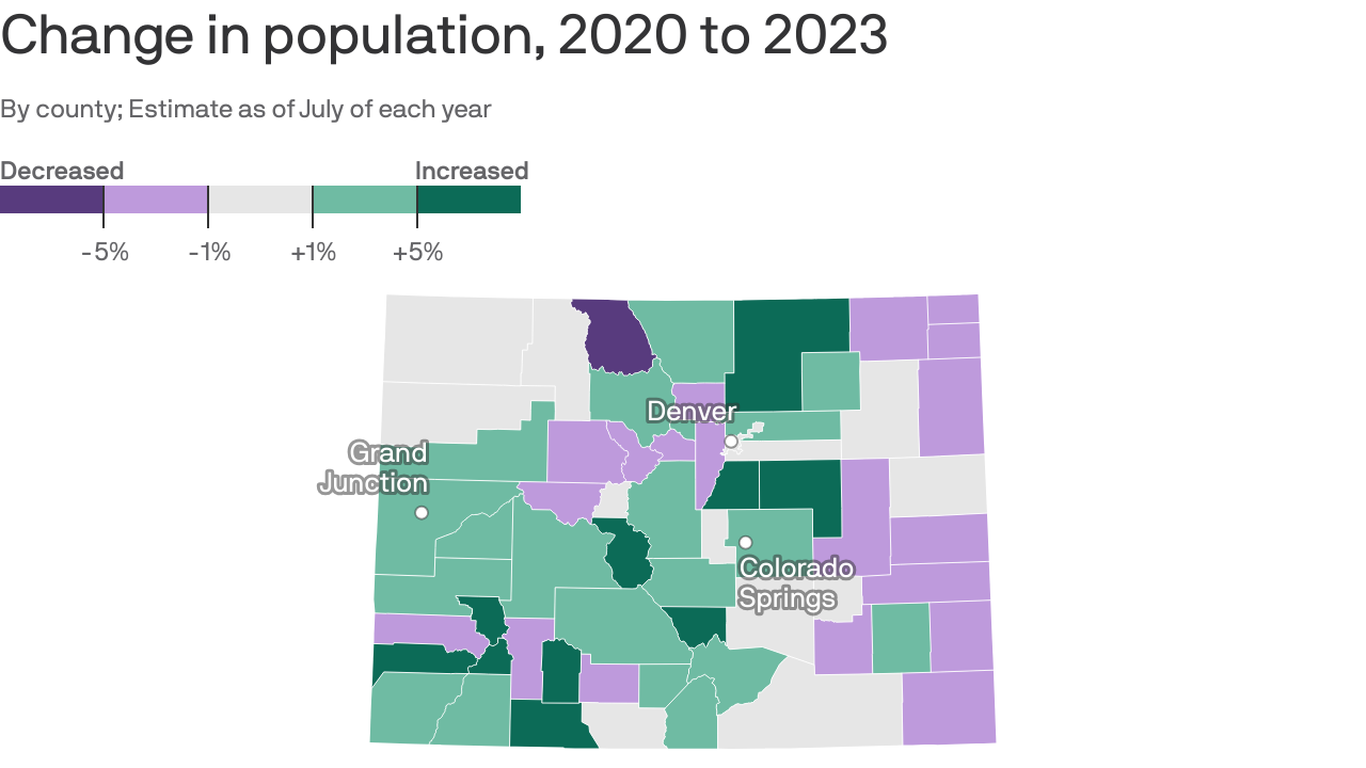
Colorado's population growth slowed dramatically in 2021
Best of Colorado 2024

What is COPOP?

Colorado Election Live Results 2024 - The New York Times
COPOP, or the resident population in Colorado, refers to the estimated number of people living in the state at a given point in time. This metric is an important indicator of the state's economic and demographic health, as it can influence factors such as labor market conditions, housing demand, and government revenue. FRED provides monthly updates on COPOP, allowing users to track changes in the population over time and gain a deeper understanding of the underlying trends.
World Population In Crores 2024 - Althea Camella
The ACTUAL Cost of Living in Colorado Springs Colorado | 2024 - YouTube

Trends in Colorado's Resident Population

What Is The Population Of Colorado 2024 - Candi Corissa
According to FRED, the resident population in Colorado has been steadily increasing over the past few decades. As of 2022, the estimated population of Colorado stands at approximately 5.8 million people, representing a growth rate of over 1.5% per annum since 2010. This growth can be attributed to a combination of factors, including a strong economy, high quality of life, and an attractive business environment.
Colorado 2024 | Forums Forums

Some key trends in Colorado's resident population include:

  • A growing proportion of young professionals and families, who are drawn to the state's vibrant cities and outdoor recreational opportunities.
  • An aging population, with a significant increase in the number of residents aged 65 and older, which can have implications for healthcare and social services.
  • A diverse population, with a growing Hispanic and Latino community, which can contribute to the state's cultural and economic richness.
How Denver's population is changing as of 2024 - Axios Denver
Wins for affordable housing during the 2024 Colorado Legislative ...

Implications of COPOP for the Local Economy

The resident population in Colorado has significant implications for the local economy. A growing population can lead to increased demand for housing, goods, and services, which can drive economic growth and job creation. However, it can also put pressure on infrastructure, transportation, and public services, which can be challenging for policymakers to manage.

To mitigate these challenges, policymakers and business leaders can use COPOP data to inform their decisions and develop strategies that support sustainable growth and development. For example, they can:

  • Invest in infrastructure projects, such as transportation and housing, to accommodate the growing population.
  • Develop programs and initiatives to support the aging population, such as healthcare services and social support networks.
  • Foster a diverse and inclusive business environment, which can attract and retain talented workers from diverse backgrounds.
In conclusion, the resident population in Colorado, as measured by COPOP, is a critical indicator of the state's economic and demographic health. By analyzing the trends and patterns in COPOP, we can gain a deeper understanding of the factors driving growth and development in the state. As policymakers and business leaders, it is essential to use this data to inform our decisions and develop strategies that support sustainable growth, diversity, and inclusion. By doing so, we can ensure that Colorado remains a vibrant and thriving state, with a strong economy and high quality of life for all its residents.

Source: FRED - St. Louis Fed

About the author

Hello, I'm a content writer who is fascinated by content fashion, celebrity and lifestyle. She helps clients bring the right content to the right people.